
Cotswolds Villages: A Photographer’s Dream
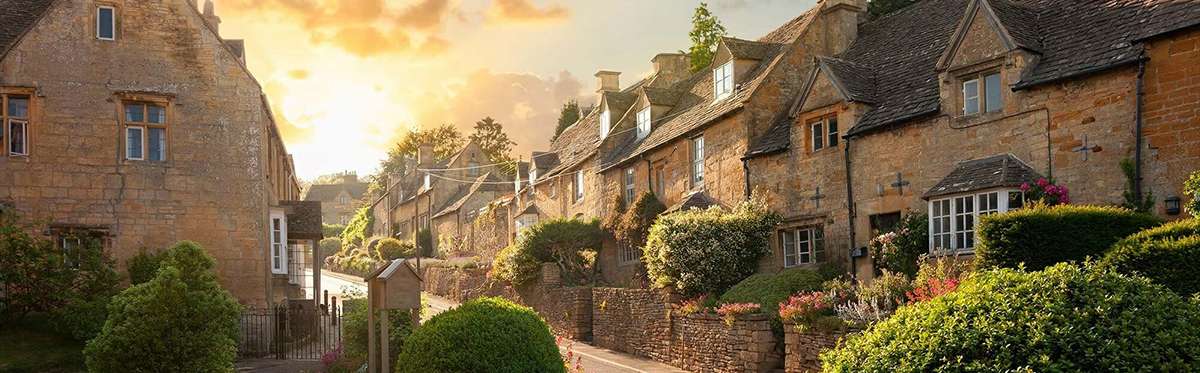
The Cotswolds is a captivating site in England. It is very famous for the charming villages which the photographers love to capture. It should be a photographer’s obsession to capture the stone cottages, the green landscapes, along with the relaxed streets. Each village has its unique features, from the elderly architecture to the pubs, which add up to a photographer’s dream. In the absence of a personal car, these places could be visited through private tours, which come along with expert guides and comfy transport.
This article explains the reason for the villages being perfect for taking photographs in the Cotswolds, as well as offering suggestions in regard to organising a trip there.
Why the Cotswolds are Great for Photography?
The Cotswolds are famous for their villages with pretty architecture, soft green landscapes, and crafted from golden or beige stones. The soft light in the area allows the photographer to capture images which stand out. The villages include aged streets and green farms along with aged churches, which could be shot. Whether you are a user of a cellphone or a professional photographer, The Cotswolds does have something for you. The villages are remarkably peaceful and quiet, which gives you the chance to capture beauty at the best possible angles without loads of people around.Best Villages for Photography
The Cotswolds hosts many villages, each of which has several places of interest for photography. Listed below are some of my favourites:- Visit Bibury: The entire village has Arlington Row, which features a set of ancient limestone cottages beside a river. Bilbury happens to be one of the most photographed places in England if you want to capture the timeless beauty of the Cotswolds.
- Take a trip to Castle Combe: People often describe the place as a scene straight from the movies. Early morning shots usually turn out great due to the soft light.
- Bourton – on – the – Water: “Venice of the Cotswolds” is a small place which has small bridges over a small river, which is perfect for some photos.
- Stow-on-the-Wold: The market town is famous for having older buildings and an old and historic square, which is known for old shops and churches.
Best Times for Photography
The season and time of day impact the photos. Early morning and late afternoon are golden hours, which are soft and warm. Villages during spring are great due to the flowering fields and green leaves. Autumn adds golden leaves to the mix. Summer is bright but has a lot of people. Winter is foggy and dramatic. We suggest going during spring and fall, around 8 am and 4 pm, for great lighting and fewer people around.Why Private Tours Help Photographers
Having a separate tour for the Cotswolds makes it a lot easier. The smaller groups of 8 ensure an easier and personal time with their guide. You will be picked up in luxury vehicles from your hotel in central London for your trip to the Cotswolds. If you want to prioritise photography, feel free to customise your tour. Private luxury tours often include the renowned and picturesque Bibury and Castle Combe.Quick Tips to Capture Cotswolds
- A Camera with High Resolution: Your phone would be enough, but a DSLR or mirrorless would capture a world of difference.
- Use Golden Hour: Shooting during sunrise and sunset would illuminate the photo with warm, gentle radiance.
- Explore Angles: Attempting to shoot from high or low angles could add a distinctive twist to the pictures.
- Include People: The villager and guide would add a burst of liveliness to the photograph.
- Check the Weather: Sunny days are great, but cloudy days have less harsh lighting that allows for mellow light.